
1. Pendahuluan
This manual provides detailed instructions for the installation, operation, and maintenance of your ELUSH 60Amp MPPT Solar Charge Controller. This device is designed to efficiently manage power from your solar panels to charge various battery types, including LiFePO4, AGM, and Gel batteries, in 12V, 24V, and 48V systems.
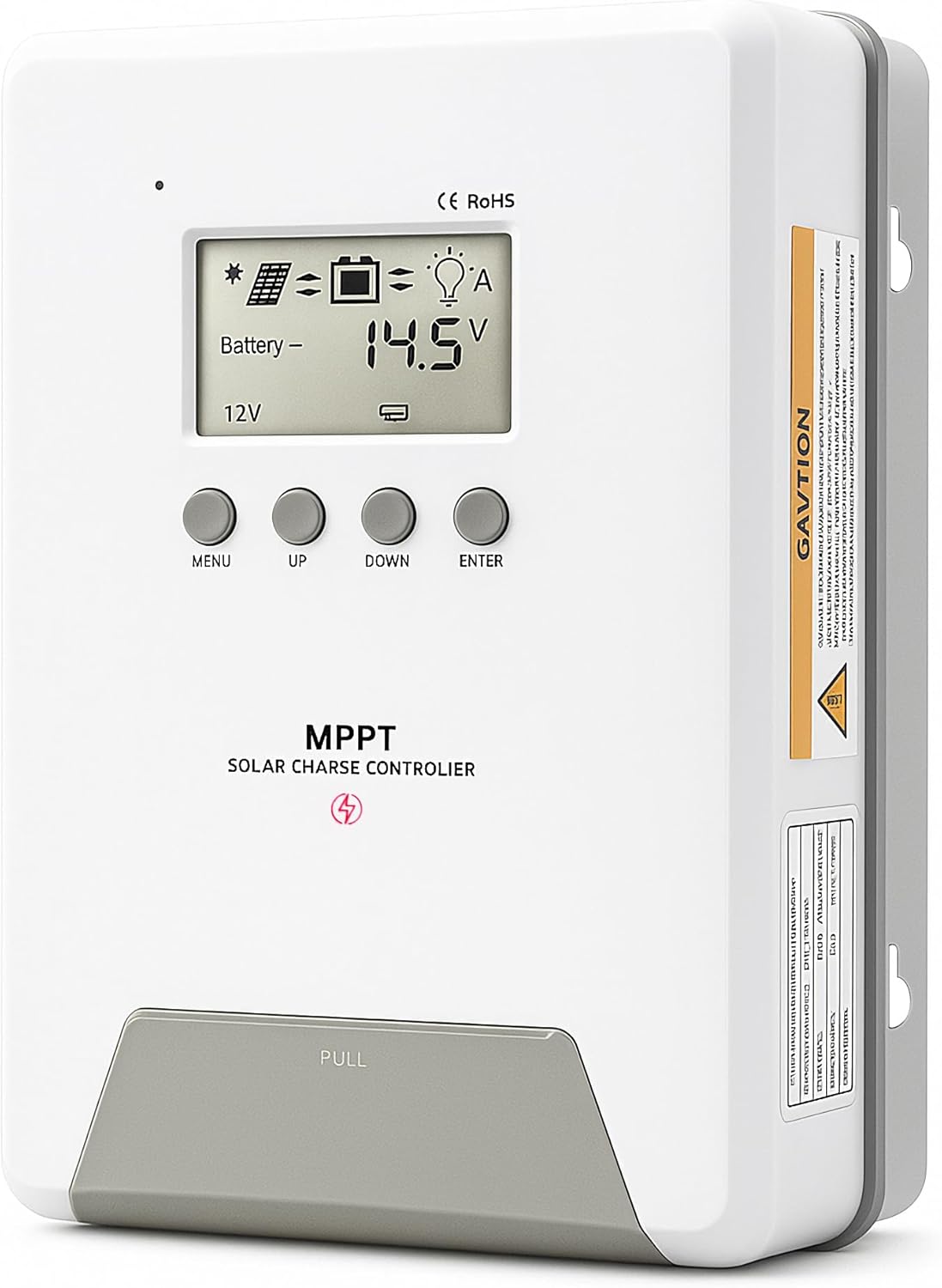
Image 1.1: ELUSH 60Amp MPPT Solar Charge Controller.
2. Fitur Utama
- Teknologi MPPT Tingkat Lanjut: Maximizes energy harvest from solar panels with tracking efficiency no less than 99% and peak conversion efficiency up to 98%.
- System Auto-Detection: Automatically detects 12V, 24V, and 48V DC system voltages upon startup.
- Kompatibilitas Baterai yang Luas: Supports Sealed (AGM), Gel, Flooded lead-acid batteries, and Lithium batteries (LiFePO4, Ternary Lithium/Li-ion).
- Layar LCD Jernih: Provides real-time monitoring of PV voltage, volume bateraitage/current, charging power, accumulated energy generation, and load status.
- Essential Built-in Protections: Includes safeguards against overvoltage, arus berlebih, arus bawahtage, and high temperature.
- Pembuangan Panas yang Efisien: Features a high-quality aluminum heatsink for stable operation and optimal performance.

Image 2.1: MPPT Technology highlighting 99% tracking efficiency and 98% peak conversion efficiency.
3. Safety Information and System Protection
The ELUSH MPPT Solar Charge Controller is equipped with multiple protection features to ensure safe and reliable operation of your solar power system. Always adhere to local electrical codes and safety guidelines during installation and operation.
- Perlindungan terhadap pengosongan berlebih: Prevents batteries from being discharged below a safe voltagtingkat.
- Perlindungan Beban Berlebih: Safeguards against excessive current draw from the load terminals.
- Short-circuiting Protection: Protects against short circuits in the solar panel, battery, or load circuits.
- Perlindungan Polaritas Terbalik: Prevents damage from incorrect battery or solar panel connections.
- Perlindungan Pengisian Berlebihan: Ensures batteries are not overcharged, extending their lifespan.
- Kompensasi Suhu: Adjusts charging parameters based on battery temperature for optimal charging.
- Perlindungan Arus Balik: Prevents current from flowing back from the battery to the solar panel at night.

Image 3.1: Visual representation of the controller's system protection features.
4. Instalasi dan Pengkabelan
Proper installation is crucial for the safe and efficient operation of your solar charge controller. Follow these steps carefully.
4.1 Connection Sequence
Always connect components in the following order to prevent damage:
- Hubungkan baterai: Connect the battery to the controller's battery terminals. Ensure correct polarity (+ to + and - to -). The battery terminals should be installed with safety fuses. Ensure the distance does not exceed 150mm.
- Hubungkan beban: Connect your DC loads to the controller's load terminals.
- Connect the solar panel: Connect the solar panel to the controller's solar energy terminals. Ensure correct polarity.
- Power on the controller: The controller will automatically power on once all connections are secure.
Catatan: If you want to connect an inverter, connect it directly to the battery, not to the load terminal of the controller.

Image 4.1: Diagram showing the connection points for solar energy, battery, and load.

Image 4.2: Step-by-step visual guide for connecting the system components.
4.2 Hidden Installation Wiring
For a clean and secure installation, the wiring can be routed and hidden. After all connections are properly made and tested, tighten the screws on the terminals and close the bottom cover of the controller to complete the installation. This protects the wiring and provides a neat appearance.
5. Petunjuk Pengoperasian
The controller features an intuitive LCD display and buttons for monitoring and configuration.
5.1 Layar LCD dan Tombol
The LCD screen provides real-time information about your system. The buttons allow you to navigate menus and adjust settings.
- Sensor Suhu: Located on the controller, it measures ambient temperature for accurate charging compensation.
- Layar LCD: Shows PV voltage, volume bateraitage, charging current, load status, and other system parameters.
- Tombol MENU: Used to enter and exit menu settings.
- Tombol ATAS: Navigates upwards through menu options or increases values.
- Tombol BAWAH: Navigates downwards through menu options or decreases values.
- Tombol ENTER: Mengkonfirmasi pilihan atau masuk ke sub-menu.
Image 5.1: The controller's LCD display and button layout for user interaction.
5.2 Volt Otomatistage Recognition and Battery Compatibility
The controller automatically detects the system voltage (12V, 24V, or 48V) upon startup. It is compatible with a wide range of battery types, ensuring efficient and safe charging for your specific setup.
- Lithium-ion batteries (Li): For standard lithium-ion chemistries.
- Lithium Iron Phosphate batteries (LiFePO4): Specifically designed for LiFePO4 batteries.
- Lead-acid batteries (BAT): Includes Sealed (AGM), Gel, and Flooded types.

Image 5.2: Illustration of automatic voltage recognition and compatibility with various battery types.
6. Spesifikasi
| Merek | ELUSH |
| Nomor Model | DM60A |
| Peringkat Saat Ini | 60A |
| Volume Sistemtage | 12V/24V/48V Auto Detection |
| Tegangan Masukan PV Makstage | 150V |
| Bahan | Aluminium |
| Jenis Tampilan | Layar LCD |
| Warna | Hitam |
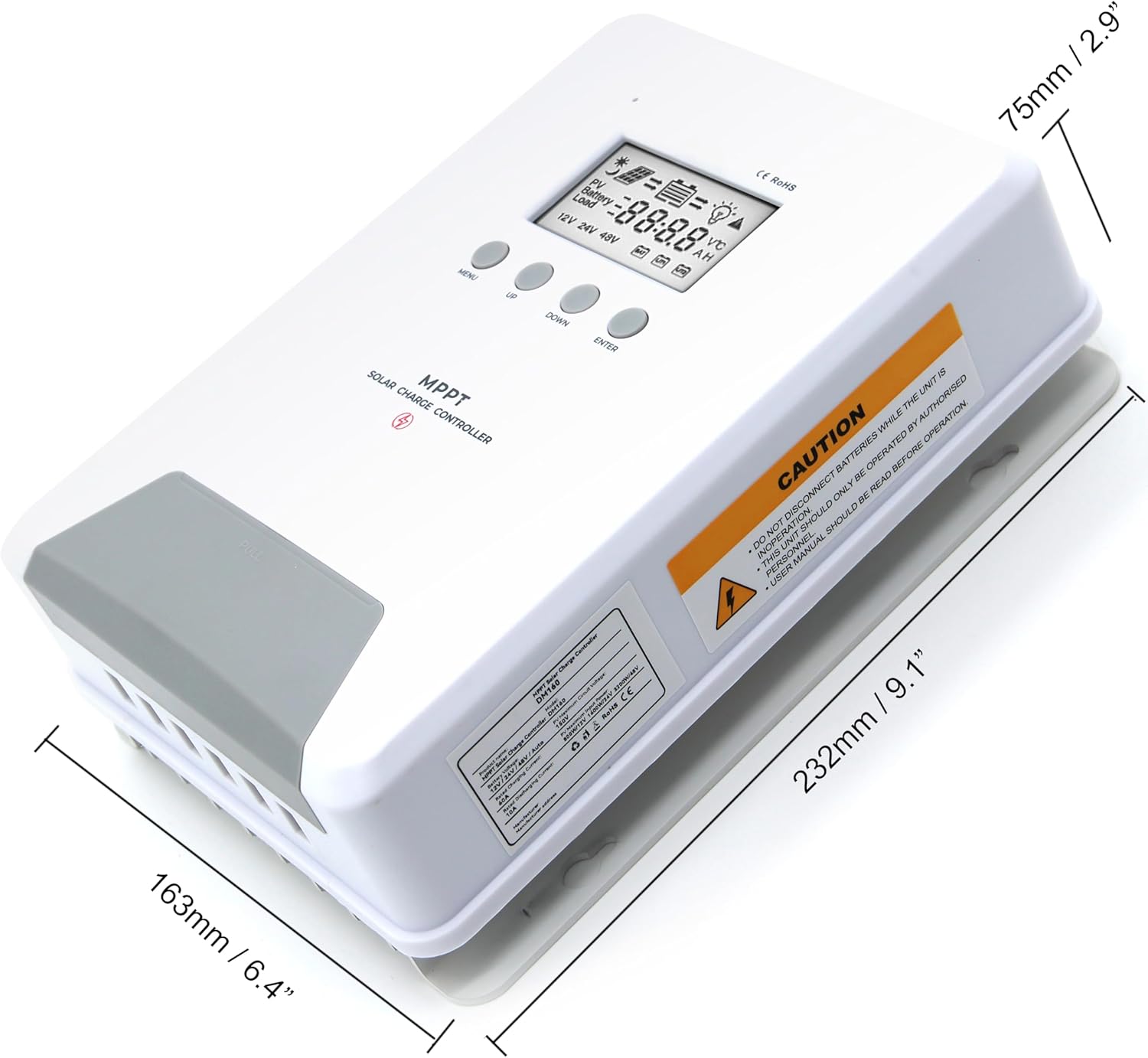
Image 6.1: Physical dimensions of the ELUSH 60Amp MPPT Solar Charge Controller.
7. Pemeliharaan
Untuk memastikan kinerja optimal dan umur pakai pengontrol pengisian daya surya Anda lebih lama, perawatan rutin sangat disarankan:
- Periksa Koneksi: Periksa secara berkala semua sambungan kabel untuk memastikan kekencangan dan tidak ada korosi. Sambungan yang longgar dapat menyebabkan panas berlebih dan kerusakan.
- Bersihkan Pengontrol: Keep the controller clean and free from dust and debris. Use a dry cloth to wipe the exterior. Ensure ventilation openings are not blocked.
- Monitor Kinerja: Regularly check the LCD display for normal operating parameters. Note any unusual readings or error codes.
- Kesehatan Baterai: Ensure your batteries are well-maintained according to their manufacturer's guidelines.
8. Penyelesaian masalah
If you encounter issues with your ELUSH MPPT Solar Charge Controller, refer to the following basic troubleshooting steps:
- Tidak Ada Tampilan/Tidak Ada Daya: Periksa sambungan baterai dan pastikan tegangan bateraitage is within the controller's operating range. Verify fuses are intact.
- Baterai Tidak Mengisi: Confirm solar panel connections and polarity. Check for sufficient sunlight and ensure solar panel voltage is above the battery voltage. Verify battery type settings are correct.
- Beban Tidak Berfungsi: Check load connections and ensure the load current does not exceed the controller's rating. Verify load output settings on the controller.
- Kode Kesalahan: If the LCD displays an error code, consult the full product manual (if available) or contact technical support for specific guidance.
- Terlalu panas: Ensure the controller is installed in a well-ventilated area, away from direct sunlight or heat sources. Check for any obstructions to the heatsink.
9. Garansi dan Dukungan
ELUSH provides professional technical support for its products. If you have any questions, require assistance with installation, operation, or troubleshooting, please feel free to contact us. Refer to your purchase documentation for specific warranty terms and contact information.